The global agricultural sector is undergoing a profound transformation, driven by the imperative to increase efficiency, sustainability, and resilience in the face of rising labor costs and environmental pressures. Within this shift, the livestock industry, particularly swine farming, presents a unique set of challenges related to disease management, growth optimization, and the high human capital required for continuous monitoring. TrackFarm, a South Korean-based AgTech innovator, has emerged as a disruptive force, pioneering an AI-powered smart livestock farming solution that promises to fundamentally alter the economic equation of pig farming. The company’s most compelling claim—a 99% reduction in labor costs through automation—demands a rigorous technical and economic analysis to understand the underlying mechanisms and market implications.
The Economic Imperative for Automation in Swine Farming
Traditional swine farming is characterized by significant operational overhead, with labor being one of the most substantial variable costs. The need for constant human supervision to monitor animal health, manage environmental conditions, and track growth rates is intensive and prone to human error. In developed economies, the scarcity and rising cost of skilled agricultural labor further exacerbate this challenge, pushing the industry toward a critical need for scalable, reliable automation.
TrackFarm’s solution directly addresses this economic bottleneck. By leveraging a sophisticated blend of Internet of Things (IoT) hardware and deep learning software, the system replaces manual, labor-intensive tasks with autonomous, data-driven processes. The claimed 99% reduction in labor costs is not merely an incremental improvement but a paradigm shift, effectively moving labor from a continuous operational expense to a fixed, technology-driven capital expenditure.
Quantifying the Labor Cost Reduction
To appreciate the magnitude of a 99% labor cost reduction, one must consider the typical labor requirements of a large-scale pig farm. Tasks such as individual pig health checks, feeding adjustments, environmental control (temperature, humidity, ventilation), and growth tracking are performed multiple times daily. TrackFarm’s DayFarm platform automates these functions through three core components:
- SW (AI Software): The deep learning engine that processes data for decision-making.
- IoT (Sensors/Hardware): The physical infrastructure for data collection and environmental actuation.
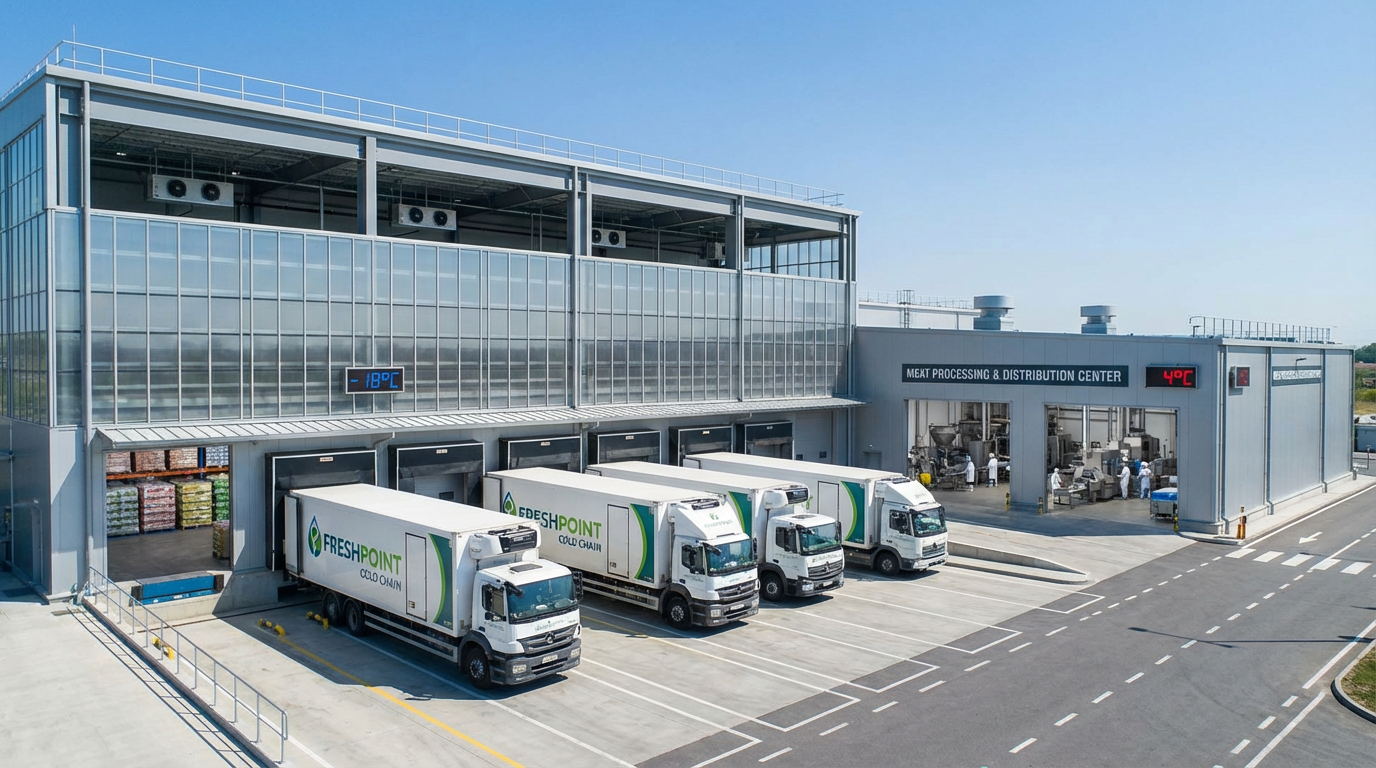
- ColdChain (Logistics): The integration for end-to-end supply chain management.
The automation is achieved by replacing human observation and intervention with continuous, non-invasive digital monitoring. For instance, instead of a human walking the pens to identify sick or underperforming pigs, the AI system does it automatically, 24/7, with greater precision. This shift allows farm personnel to transition from routine monitoring to high-value tasks, such as maintenance and strategic planning, thereby maximizing the efficiency of the remaining human workforce.
| Operational Area | Traditional Method | TrackFarm Automation | Labor Impact |
|---|---|---|---|
| Health Monitoring | Daily visual inspection by staff | AI camera-based behavioral and thermal analysis | Eliminates routine inspection labor |
| Growth Tracking | Manual weighing or visual estimation | AI image analysis for continuous growth prediction | Eliminates manual weighing and data entry |
| Environmental Control | Manual thermostat/ventilation adjustments | IoT sensors and automated actuators | Eliminates constant human intervention |
| Data Collection | Paper records, manual entry | Real-time sensor and camera data logging | Eliminates all data recording labor |
Technical Deep Dive into the DayFarm Platform
The core of TrackFarm’s innovation lies in its proprietary DayFarm platform, a vertically integrated system designed for maximum data fidelity and actionable intelligence. The platform’s technical specifications highlight a commitment to high-density data acquisition and advanced analytical processing.
AI-Powered Vision System
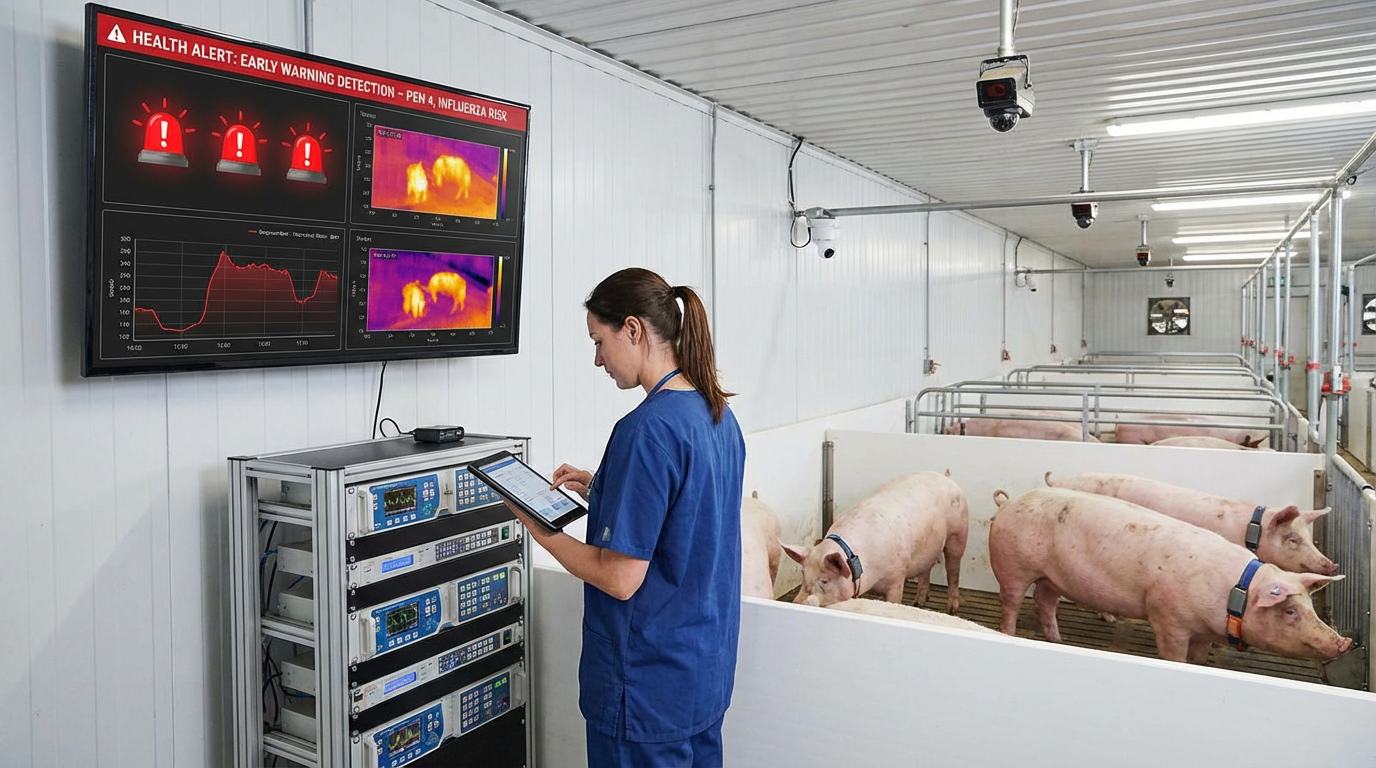
The most critical component is the AI camera system. The technical specification of one AI camera per 132 square meters ($132\text{m}^2$) of pen space ensures comprehensive coverage and high-resolution data capture. This density is crucial for individual pig monitoring, which is the foundation of the system’s predictive capabilities.
The AI model, trained on a massive dataset of 7,850+ individual pig model data, utilizes deep learning algorithms to perform several complex tasks:
- Behavioral Analysis: Identifying subtle changes in movement, feeding patterns, and social interaction that precede clinical signs of disease.
- Growth Prediction: Continuously estimating the weight and growth trajectory of each pig, allowing for precise, individualized feeding and management protocols.
- Thermal Imaging Integration: The use of thermal imaging cameras provides a non-invasive method for detecting localized inflammation or fever, which are early indicators of systemic disease. This capability is a significant technical advantage over purely visual systems.
The AI’s ability to process this continuous stream of data and provide real-time alerts for anomalies is what enables the 99% labor reduction. It transforms the role of the farm manager from a constant observer to an exception handler, only intervening when the AI flags a specific, verified issue.
IoT and Environmental Control
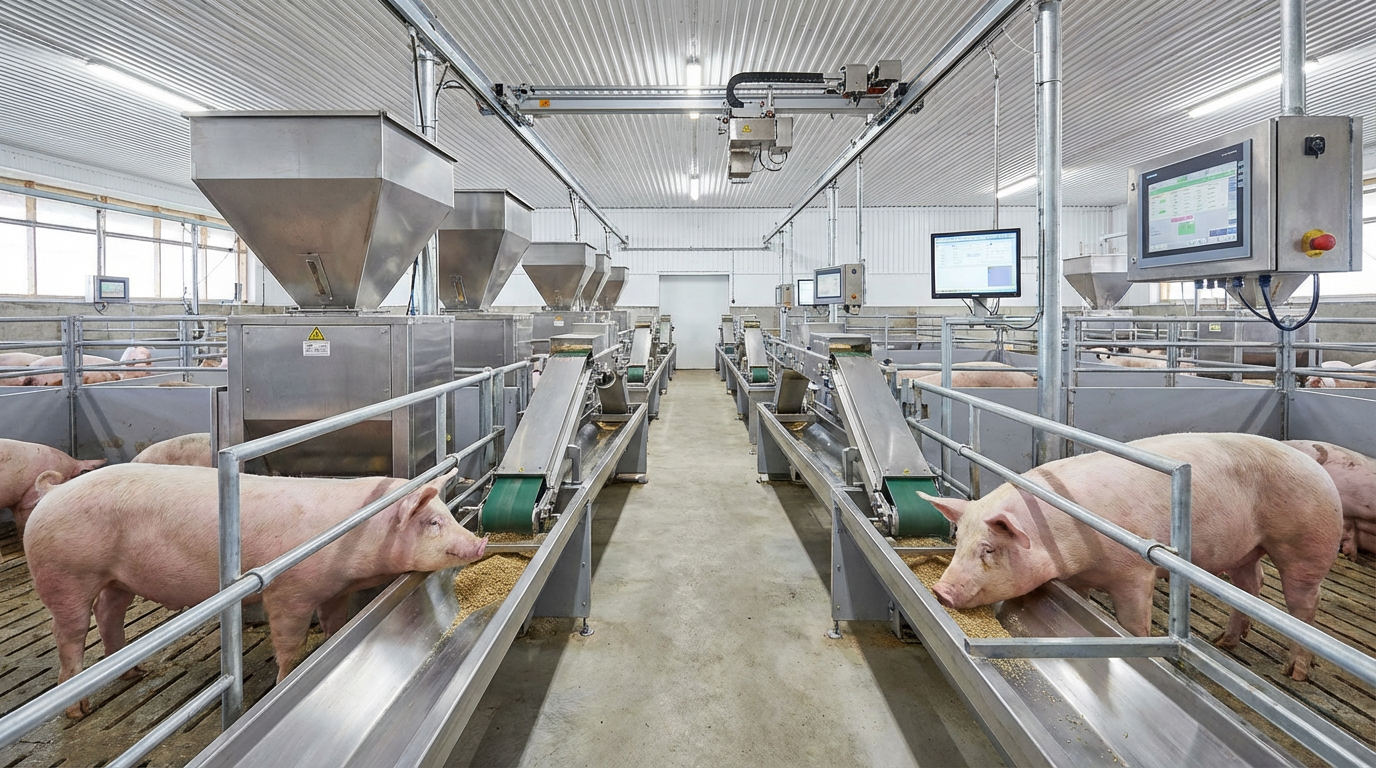
The DayFarm IoT component consists of a network of sensors and actuators that manage the farm environment. These sensors monitor key parameters such as temperature, humidity, ammonia levels, and air flow. The system is designed to maintain optimal conditions for pig health and growth, which directly translates to improved feed conversion ratios and reduced mortality.
The integration of the IoT layer with the AI software is seamless. For example, if the AI detects signs of heat stress (e.g., increased panting or lethargy) through the vision system, the IoT actuators can automatically adjust ventilation and cooling systems, preempting a potential health crisis. This closed-loop control system is a hallmark of advanced smart farming technology.
Market Analysis and Global Expansion Strategy
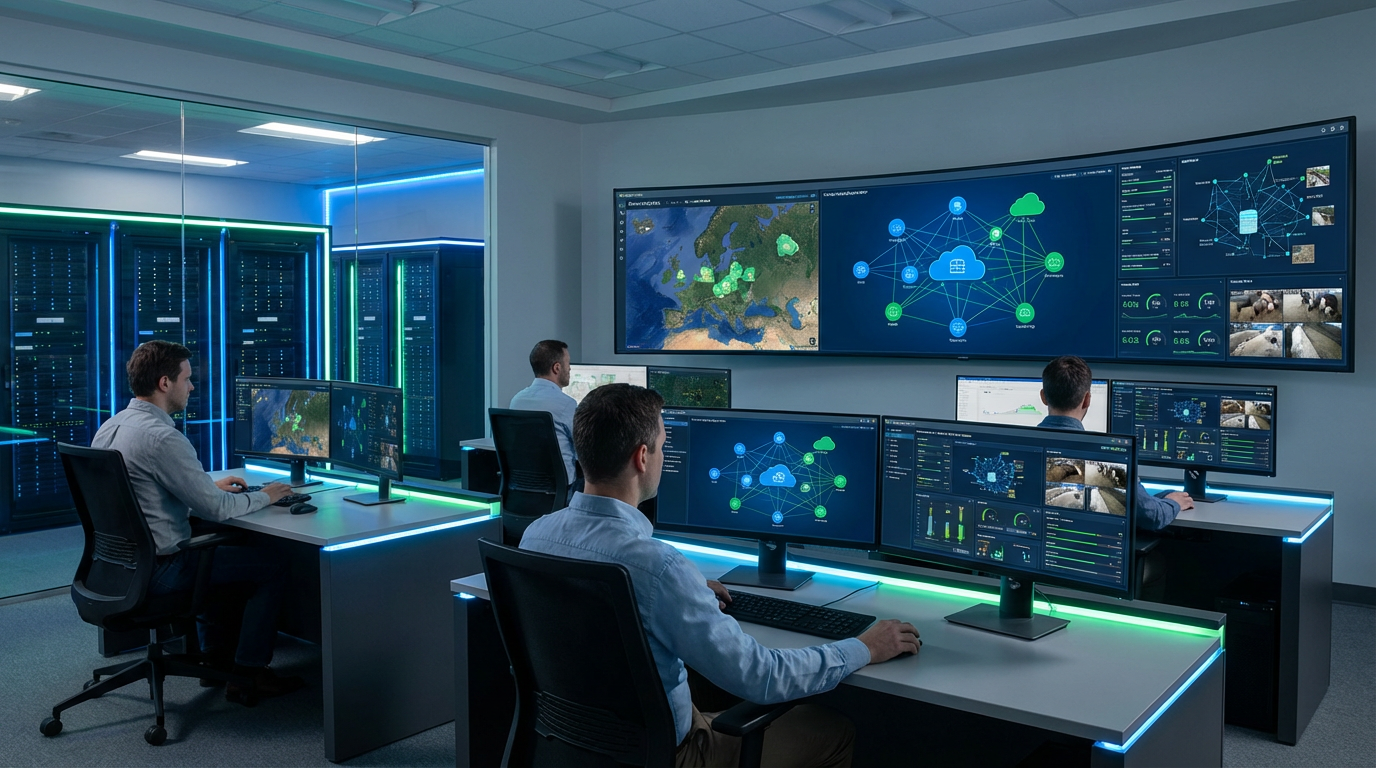
TrackFarm’s operational strategy is focused on high-growth, high-impact markets, specifically targeting regions where the economic benefits of labor automation and disease prevention are most pronounced. The company’s dual operational base in Korea and Vietnam is a strategic move to validate its technology across diverse farming environments and regulatory landscapes.
The Vietnam Market Opportunity
The focus on Vietnam is particularly insightful. As the 3rd largest pig market globally, with over 28 million pigs and a fragmented structure of 20,000+ small farms, the market presents a massive opportunity for scalable technology adoption.
The challenges in Vietnam—including high disease risk, inconsistent farming practices, and the need for modernization—make TrackFarm’s solution highly relevant. By partnering with major players like CJ VINA AGRI and establishing a large-scale farm in Ho Chi Minh Dong Nai (housing 3,000+ pigs), TrackFarm is demonstrating its capability to adapt its technology to the local climate and operational scale. The ability to offer a standardized, AI-driven solution to a fragmented market allows for rapid consolidation of best practices and significant efficiency gains across the supply chain.
Global Ambitions and Strategic Partnerships
TrackFarm’s participation in major international events like CES 2024/2025 and its selection for the prestigious TIPS program 2023 underscore its global ambitions, targeting expansion into Southeast Asia and the USA. The company’s network of academic and industry partners—including Seoul National University, Korea University, VETTECH, and INTRACO—provides a robust foundation for continuous R&D and market penetration.
The vision, “From Production To Consumption,” indicates a strategy that extends beyond the farm gate. By integrating the ColdChain component, TrackFarm aims to optimize the entire value chain, ensuring that the efficiency gains realized at the production level are maintained through logistics and processing. This holistic approach is essential for maximizing return on investment for farmers and ensuring high-quality, traceable products for consumers.
The Financial Model: A Return on Automation
The economic viability of TrackFarm’s solution is defined by its revenue model, which is structured to capture value across the entire pig lifecycle and provide a clear return on investment for the farmer. The model is based on a per-pig-year subscription and service fee structure, demonstrating confidence in the long-term, recurring value of the technology.
| Revenue Stream (Per Pig Year) | Annual Cost to Farmer | Value Proposition |
|---|---|---|
| HW/SW Subscription | $300 | Access to DayFarm AI, IoT monitoring, and data analytics. Directly enables the 99% labor cost reduction. |
| Breeding Services | $330 | Optimization of breeding cycles, improved litter size, and reduced mortality through AI-driven health management. |
| Processing Services | $100 | ColdChain logistics and processing optimization, ensuring product quality and market access. |
| Total Potential Revenue | $730 | Comprehensive, end-to-end smart farming solution. |
The $300 per pig year for the HW/SW subscription must be weighed against the savings from the 99% labor cost reduction. Given the high cost of skilled labor, particularly in markets like Korea and the USA, the payback period for the initial investment in TrackFarm’s system is likely to be short, making the technology a compelling financial proposition. Furthermore, the AI-driven improvements in feed conversion, disease prevention, and growth rate optimization—which are not explicitly quantified in the revenue model but are direct outcomes of the technology—provide additional, substantial economic benefits.
Case Study: R&D Farm Performance
The R&D farm in Gangwon-do Hoengseong-gun, which houses over 2,000 pigs, serves as a live laboratory for continuous model refinement and performance validation. The data generated from this farm, alongside the Vietnam farm (3,000+ pigs), is critical for maintaining the accuracy of the deep learning models. This continuous feedback loop ensures that the AI remains relevant and effective across different climates and operational scales, a key factor in the long-term sustainability of the 99% labor reduction claim.
Technical Specifications and Data-Driven Outcomes
The precision of TrackFarm’s technology is rooted in its ability to generate and analyze high-quality data. The system’s technical specifications are designed to capture the subtle biological and environmental signals that are invisible or inaccessible to human observation.
Disease Prevention and Predictive Analytics
The AI’s ability to perform disease prevention is perhaps its most valuable technical feature. By monitoring behavioral and thermal data, the system can detect the onset of illness days before a human observer would notice clinical symptoms. This early detection capability allows for targeted, localized intervention, significantly reducing the need for prophylactic antibiotics and preventing the rapid spread of disease across the herd.
The core technical achievement here is the transformation of raw sensor data into a predictive health score for each individual pig. This score is based on complex, multi-variate analysis, including:
- Activity Level: Deviation from normal movement patterns.
- Feeding Time/Volume: Changes in consumption habits.
- Body Temperature: Fluctuations detected via thermal imaging.
- Vocalization Analysis: Emerging capabilities in detecting distress calls.
This predictive capability not only saves labor but also drastically reduces the economic losses associated with mortality and reduced growth rates due to illness.
The Role of Deep Learning in Growth Optimization
Growth prediction is another area where the AI delivers significant economic value. By continuously tracking the physical dimensions of the pigs using the AI cameras, the system can forecast the optimal time for market readiness. This precision minimizes the cost of over-feeding and ensures that pigs are sold at their peak value.
The deep learning model’s accuracy in predicting growth is directly correlated with the size and quality of its training data. With over 7,850 individual pig models, TrackFarm possesses a substantial data asset that provides a competitive moat. This data allows the AI to account for genetic, environmental, and nutritional variables with a level of granularity impossible for traditional farming methods.
Conclusion: A New Era of Agricultural Economics
TrackFarm’s DayFarm platform represents a significant technological leap in the field of smart livestock farming. The company’s bold claim of a 99% reduction in labor costs is technically plausible, driven by the comprehensive automation of monitoring, data collection, and environmental control tasks through a sophisticated AI and IoT infrastructure.
The economic model is compelling: by converting high, variable labor costs into a predictable, fixed technology subscription, TrackFarm offers a clear path to increased profitability and operational stability for swine farmers globally. The strategic focus on high-growth markets like Vietnam, coupled with a robust R&D and partnership network, positions TrackFarm not just as a technology provider, but as a key architect of the future “From Production To Consumption” agricultural value chain. The successful deployment and continuous refinement of the DayFarm platform will serve as a critical case study for the broader adoption of deep learning and automation across the entire AgTech sector.
Leave a Reply